
Traditional Herbal Healing: Wisdom from Grandmother's Garden
Herbal healing has been a cornerstone of human health for centuries, often passed down through generations. In today’s fast-paced world, many are rediscovering the benefits of natural remedies that our ancestors relied upon. This blog post explores the rich tradition of herbal healing, the wisdom found in grandmother's gardens, and how these practices can enhance our well-being.
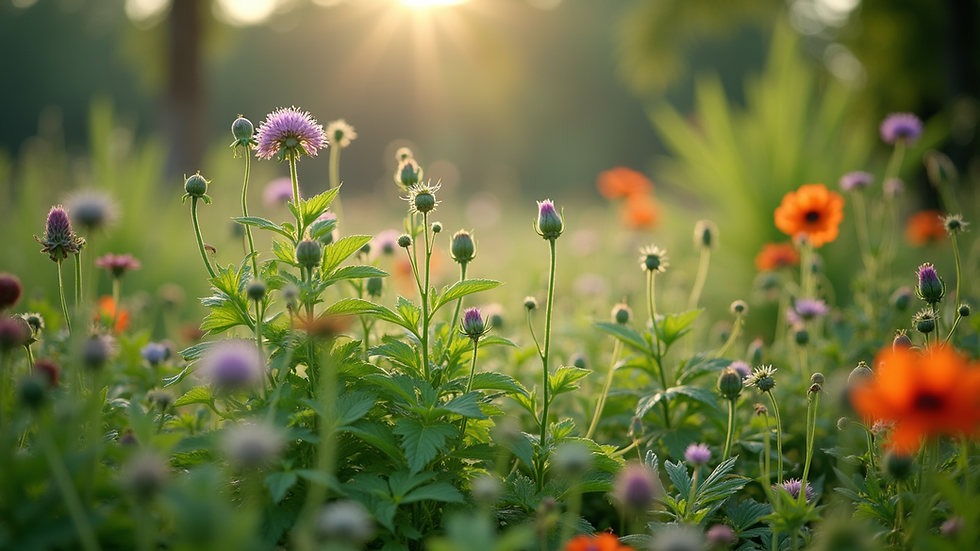
The Roots of Herbal Healing
Herbal healing is not just a trend; it is a practice steeped in history. Ancient civilizations, from the Egyptians to the Chinese, utilized plants for medicinal purposes. These practices were often documented in texts, such as the Ebers Papyrus in Egypt, which dates back to 1550 BCE and contains over 700 remedies.
The Importance of Tradition
Tradition plays a crucial role in herbal healing. Many cultures have their own unique practices and knowledge passed down through generations. Grandmothers, in particular, have been the keepers of this wisdom, often teaching their families about the healing properties of various plants.
Cultural Significance: Each culture has its own set of herbs that are considered sacred or particularly effective. For example, in Native American traditions, sage is often used for purification and healing.
Family Recipes: Many families have their own herbal remedies, often created from a combination of personal experience and ancestral knowledge. These recipes are not just about healing; they also foster a sense of connection and belonging.
Common Herbs and Their Uses
Understanding the properties of common herbs can empower individuals to take charge of their health. Here are some widely used herbs and their benefits:
1. Chamomile
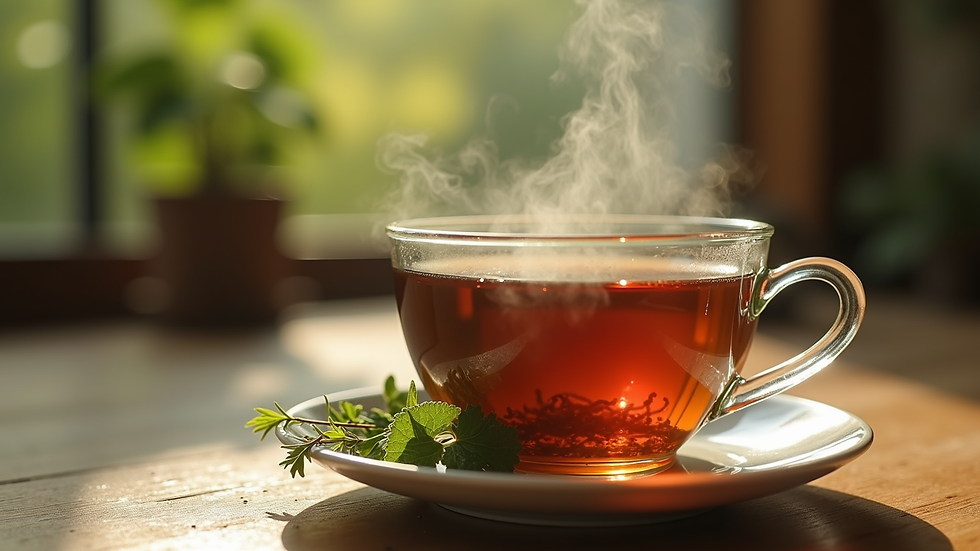
Chamomile is well-known for its calming effects. Often consumed as a tea, it can help with:
Sleep Disorders: Chamomile tea is a popular remedy for insomnia.
Digestive Issues: It can soothe an upset stomach and reduce bloating.
2. Lavender
Lavender is celebrated for its aromatic properties and is often used in aromatherapy. Its benefits include:
Anxiety Relief: Inhaling lavender oil can help reduce feelings of anxiety.
Sleep Aid: Placing lavender sachets under pillows can promote better sleep.
3. Peppermint
Peppermint is not just a flavoring; it has various health benefits:
Digestive Health: Peppermint tea can alleviate symptoms of indigestion.
Headache Relief: Applying diluted peppermint oil to the temples can help relieve tension headaches.
4. Ginger
Ginger is a powerful root with numerous health benefits:
Anti-Inflammatory: Ginger can help reduce inflammation and pain.
Nausea Relief: It is often used to combat nausea, especially during pregnancy.
5. Echinacea
Echinacea is commonly used to boost the immune system:
Cold Prevention: Many people take echinacea at the onset of a cold to reduce symptoms.
Anti-Inflammatory: It may also help reduce inflammation in the body.
How to Create Your Own Herbal Remedies
Creating your own herbal remedies can be a rewarding experience. Here’s a simple guide to get started:
Step 1: Research
Before you begin, research the herbs you want to use. Understand their properties, potential side effects, and how they can interact with other medications.
Step 2: Gather Ingredients
Collect fresh or dried herbs, carrier oils, and any other necessary ingredients. Ensure that your herbs are sourced from reputable suppliers or grown in your own garden.
Step 3: Preparation
Depending on the remedy, preparation methods can vary:
Teas: Steep herbs in hot water for 5-10 minutes.
Tinctures: Soak herbs in alcohol for several weeks to extract their properties.
Oils: Infuse herbs in carrier oils by heating gently for several hours.
Step 4: Storage
Store your remedies in dark glass containers to protect them from light. Label each container with the name of the herb and the date of preparation.
The Role of Grandmothers in Herbal Healing
Grandmothers have long been the custodians of herbal knowledge. Their gardens often serve as a living library of remedies. Here’s how they contribute to the practice of herbal healing:
1. Knowledge Keepers
Grandmothers often possess a wealth of knowledge about local plants and their uses. They can teach younger generations how to identify, harvest, and prepare herbs.
2. Storytellers
The stories shared by grandmothers about their experiences with herbal remedies can inspire and educate. These narratives often include personal anecdotes that highlight the effectiveness of certain herbs.
3. Community Healers
In many cultures, grandmothers serve as community healers, offering their knowledge and remedies to neighbors and friends. This role fosters a sense of community and shared responsibility for health.
Modern Applications of Herbal Healing
As interest in natural remedies grows, many people are incorporating herbal healing into their daily lives. Here are some modern applications:
1. Integrative Medicine
Many healthcare providers now recognize the value of herbal remedies as part of an integrative approach to health. This means combining traditional medicine with herbal treatments for a more holistic approach.
2. DIY Herbal Products
The rise of the DIY movement has led many to create their own herbal products, such as:
Skincare: Herbal-infused oils and creams can be made at home.
Teas and Tinctures: Many are experimenting with different combinations of herbs to create unique blends.
3. Education and Workshops
Workshops on herbal healing are becoming increasingly popular. These sessions often cover topics such as:
Identifying Local Herbs: Learning to recognize and harvest local plants.
Preparation Techniques: Hands-on experience in making teas, tinctures, and salves.
Safety Considerations
While herbal remedies can be beneficial, it’s essential to approach them with caution. Here are some safety tips:
1. Consult a Professional
Before starting any herbal regimen, consult with a healthcare provider, especially if you are pregnant, nursing, or taking medications.
2. Know Your Herbs
Some herbs can interact with medications or have side effects. Research thoroughly and ensure you understand the properties of the herbs you are using.
3. Start Small
When trying a new herb, start with a small amount to see how your body reacts. This is especially important for those with allergies or sensitivities.
Conclusion
Traditional herbal healing is a treasure trove of wisdom that can enhance our health and well-being. By learning from the knowledge passed down through generations, particularly from grandmothers, we can reconnect with nature and empower ourselves to take charge of our health. Whether you choose to brew a cup of chamomile tea or create your own herbal tincture, the journey into herbal healing is both enriching and rewarding.
As you explore this path, remember to respect the traditions and knowledge that have shaped herbal healing for centuries. Embrace the wisdom of grandmother's garden and discover the healing power of nature.
Comments